No products in the cart.

Only this weekend
Super Discount
Items on sale this week
Top picks this week. Up to 50% off the best selling products.



Information:
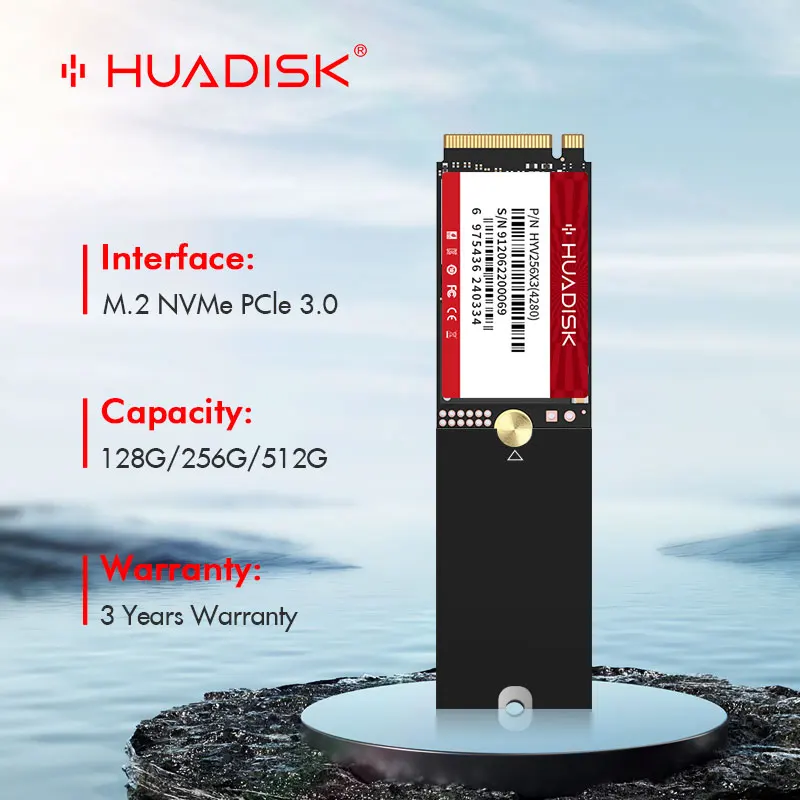
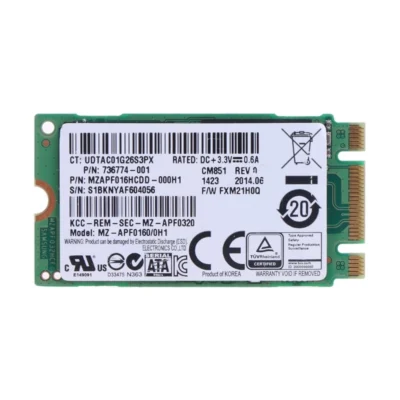
Product name: Hard Disk M.2 NVMe 4280
Dimensions :80 (D) X22 (W) X3 (W) mm/42 (D) X22 (W) X3 (W) mm
Interface protocol :NVMe PCIe 3.0X4
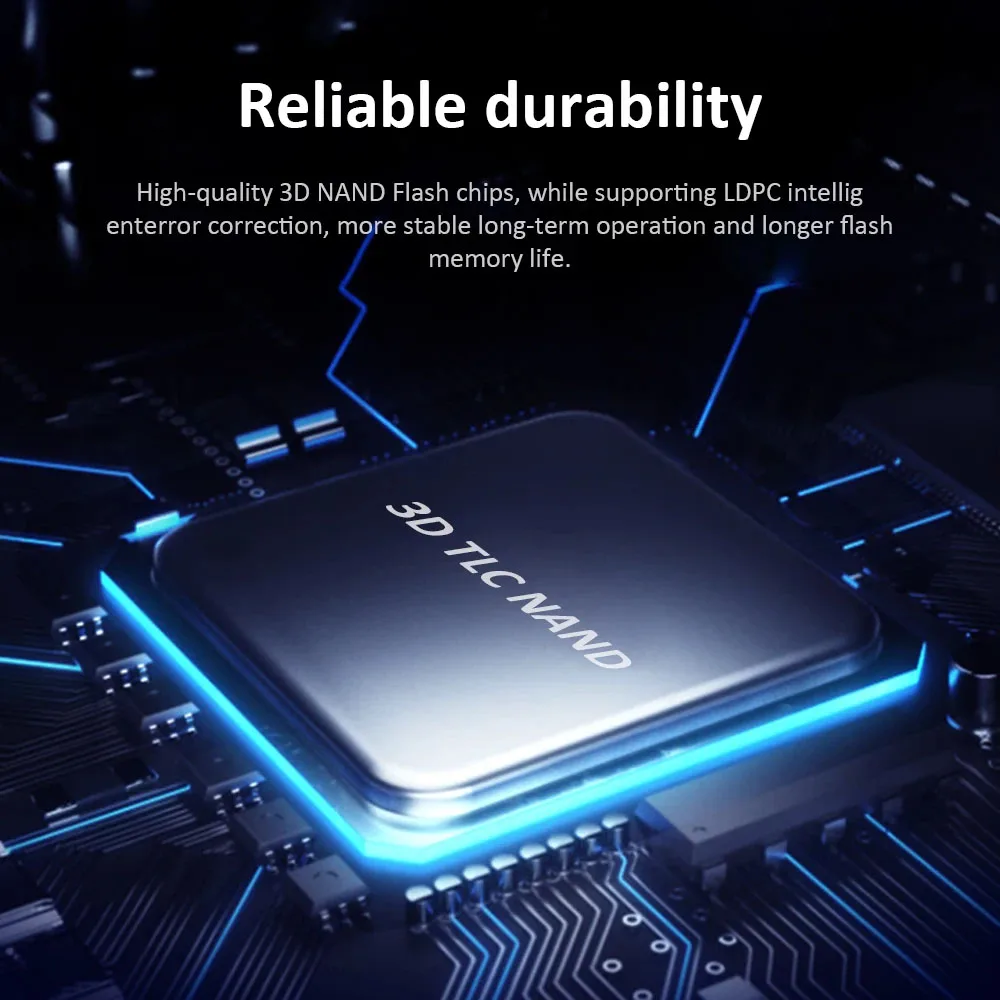
NAND FLASH Type :3D NAND FLASH(random delivery)
Maximum read/write speed: 2100MB/S, 1000MB/S
Supported capacity :128GB 256GB 512GB
Operating temperature :0℃~ + 70℃
Input voltage :5v + 5%
Storage temperature: -20 ℃+ 75℃
Technical Features:
• The M.2 NVMe 4280 SSD series is available in 128GB, 256GB, and 512GB capacities to meet your needs in different scenarios.
• Excellent speed: With a speed of 2100MB/S, this SSD ensures fast data transfer and fast application response, enhancing your computing experience.Multi-functional compatibility: Designed for multi-functionality, this SSD is compatible with laptops, laptops, and server computers, making it a wide choice for your storage needs.
• Internal design: As an internal solid-state disk, it provides secure storage and optimal performance for your device.
•NVMe Protocol:The NVMe protocol provide fast data transfer speeds and improved system performance.
• It is a storage device that uses integrated circuits to store information permanently, acting as a secondary memory in a computer storage hierarchy. A practical gift for beloved couples, brothers and fathers, suitable for students and primary school students, office workers and businessmen!
The package includes :
>>1 X m.2 NVME 4280 SSD TLC>>1 X Packing box


Q: Why can’t we find solid state drive and read/write data?
A: The new SSD generally need to be formatted in Disk Management.In Disk Management, select”Create and Format Hard Disk Partition”, you will find it. If “Not Initialized” is displayed, right clink on the drive and select”Initialize Disk”.
Q: Why is the speed test result different from the description?
A: Our test data is just for reference, our test results related to manyfactors, such as the status of hard disk, slot interface type, computer hardware grape, computer system, test platforms, and test software and so on. So, our speed test result will be different with you, hope you can understand.
Q: How to format SSD and achieve 4K alignment?
A: Win7 or higher version OS is recommended due to’Disk Management Formatting function is built in the systems. We recommend NTDS disk partition format and DISKGENIUS tool to make drive partition.
PS: Use as SSD Benchm ark to check if SSD has complied with 4K Alianment and already been under AHC model. Otherwise SSD write/read speed performance and response time will be affected.
Q: Why the capacity of hard disk displayed in the computer will be less?
A: The difference in calculation between the manufacturer and your PC, please google “storage product capacity” for more info. PC defines 1GB = 1.073741824 billion bytes, while the market defines 1GB = 1.00 billion bytes100% real capacity, via H2testw. Storage device conversion formula: nominal capacity X 0.93 = actual capacity. Capacity Notes: 64GB=approx. 55GB 120GB=approx.111GB 128GB=approx. 119GB 240GB=approx. 223G 256GB = approx.238G 480GB = approx. 446GB 512GB = approx. 476GB 960GB =approx.892GB1TB = approx. 930GB 2TB = approx. 1800GB
Before you use:
For new SSD, please finish disk initialization according to the following steps.
1. Open Start. Search for “Create and format hard disk partitions” and click the top result to open the Disk Management console.
2. Right click “Computer” – “Manage” – “Disk Management”.
Find your unallocated disk, right click “Unallocated”, and choose “New Simple Volume Wizard”. So then your SSD can be detected.


| SSD Capacity | 128GB NVMe SSD, 256GB NVMe SSD, 512GB NVMe SSD |
|---|



Reviews
There are no reviews yet.